 contact@nxhdmfg.com
 +86 352 5330772
 +86 180 3528 0246
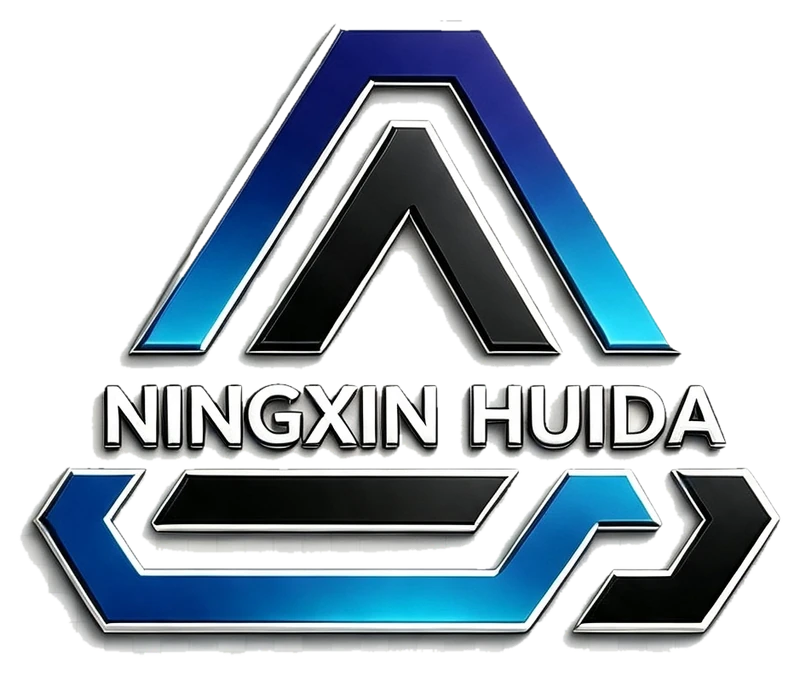
Socket head cap screws and hex head bolts are both externally threaded fasteners that most engineers specify every week, yet the choice between them is often made by habit rather than by joint analysis. That habit occasionally works, and occasionally produces a joint that cannot be assembled, cannot be serviced, or carries more fastener cost than it needs. This article compares the two across the factors that actually drive the decision — torque transmission, head geometry, strength grades, tooling access and cost — so you can make the call deliberately on your next design.
Why drive type matters more than it looks
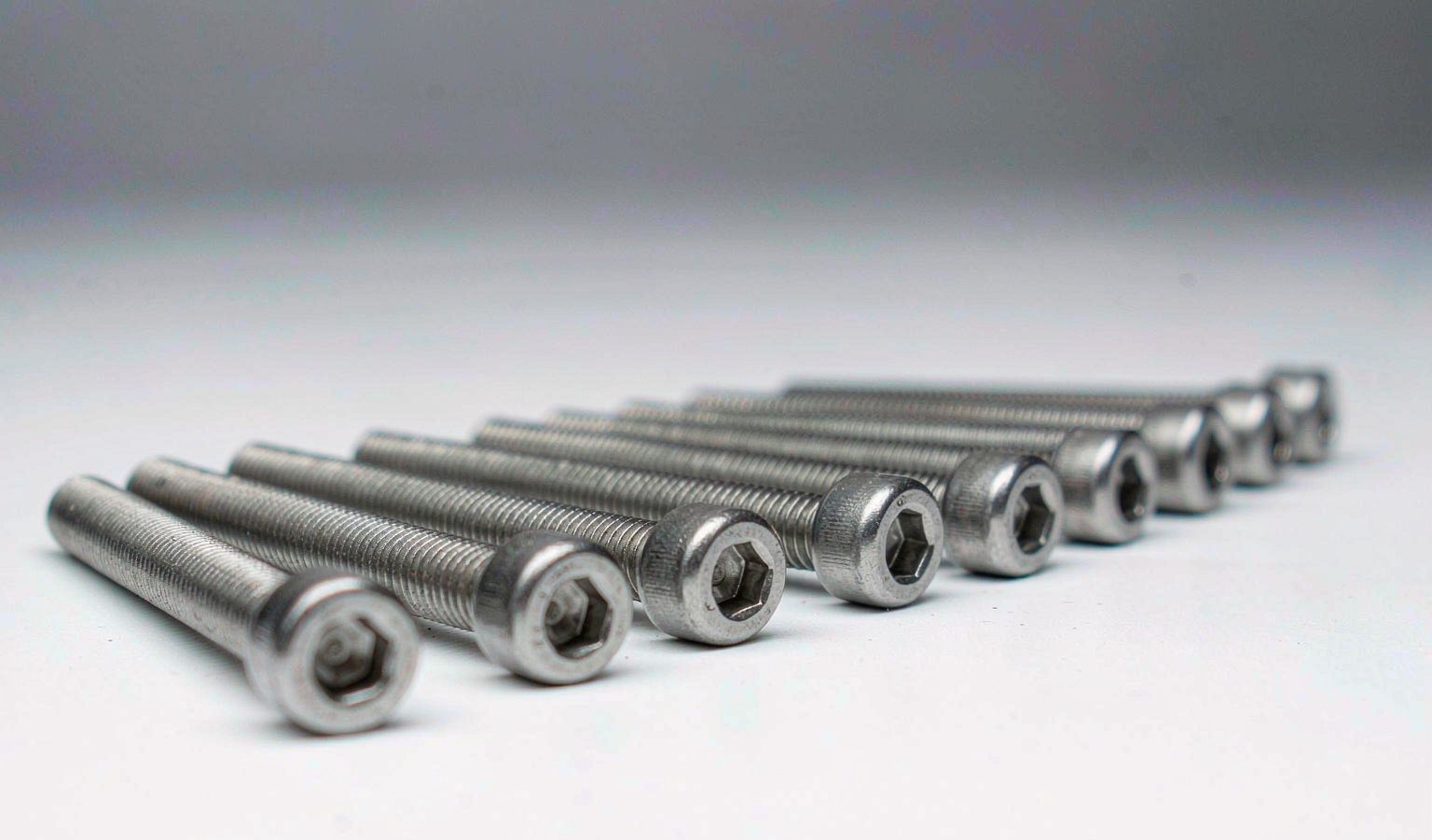
The fundamental difference sits inside the head. A hex head bolt is driven on its outside flats with a wrench or socket, while a socket head cap screw is driven from a hexagonal recess in the top of its cylindrical head with a hex (Allen) key or ball-end driver.
This changes how torque is transmitted. An external hex drive applies load to the six corners of the head, and at high torque the corners can round off, especially on smaller sizes or softer materials. A hex socket drive distributes the load around the full inner wall of the recess, so a socket head cap screw can typically be tightened to a higher torque than a hex head bolt of the same thread size before the drive fails. In compact joints where every bit of clamp load counts, that headroom matters.
Drive type also affects assembly reliability. Hex sockets engage deeply, which keeps the driver seated during fast driving and allows angled access with a ball-end key where a straight approach is impossible. The trade-off is debris sensitivity: a socket filled with paint, swarf or threadlocker is harder to engage than external flats you can clean with a file. In dirty or painted assemblies, the external hex drive is more forgiving.
Head height, clearance and housing design
Head geometry is where joint design really separates the two. A socket head cap screw has a cylindrical head roughly equal in diameter to one-and-a-half times the thread diameter and a height close to the thread diameter. A hex head bolt has a wider head — roughly one-and-a-half to two times the thread diameter across flats, depending on the standard series — with a lower profile.
For the designer, this produces a familiar set of trade-offs:
- Confined spaces. The narrow cylindrical head of a socket screw fits into pockets, slots and adjacent-to-wall positions where a wrench simply cannot swing around a hex head. This is the single most common reason designers switch.
- Height above the surface. Socket heads are typically taller, which can be a problem under covers or guards but an advantage where a taller boss gives the driver more engagement depth.
- Bearing surface. Both head types clamp on a flat annular face. Hex heads are also available with an integrated flange (per ISO 4162 and similar) that spreads the load without a separate washer — worth considering when a joint would otherwise need one.
When neither standard head geometry fits the housing, the part crosses into non-standard territory, which is a different sourcing conversation with different tooling implications.
Strength grades and preload
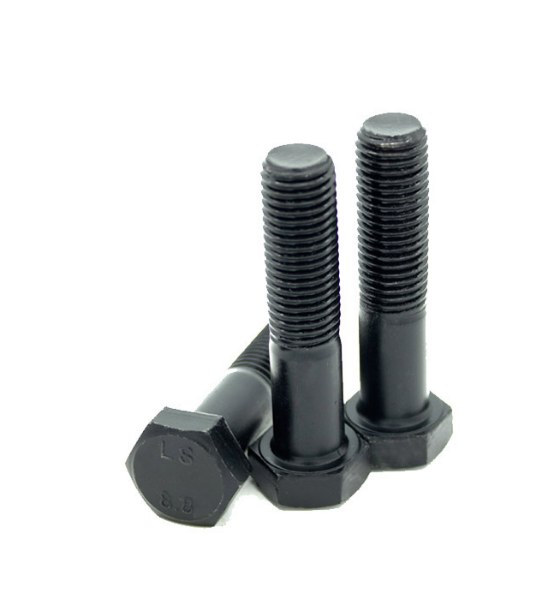
Drive type and strength grade travel together more often than not. Socket head cap screws are commonly supplied in alloy steel at property class 12.9, with 10.9 and stainless A2-70/A4-80 widely available. Their compact heads suit the high preload that a 12.9 screw can carry. Hex head bolts span the full commercial range — 4.6 through 12.9 in metric — with 8.8 and 10.9 the workhorses in structural and machinery joints. If you are unsure how those numbers translate into actual tensile capability, our guide to reading bolt strength grade markings breaks the system down.
The practical consequence: when a joint was calculated around a 12.9 fastener, substituting a hex bolt is not a like-for-like swap unless you also find a 12.9 hex bolt, which is less common in standard catalogues. Conversely, replacing a clamped-out 8.8 hex bolt with a 12.9 socket screw usually means recalculating the tightening torque, because the higher-strength fastener is meant to be run at a higher preload.
Coatings interact with both types in the same way — plating thickness affects thread fit and hydrogen embrittlement risk on high-strength parts. Our overview of fastener surface coatings covers zinc plating, hot-dip galvanizing and Dacromet, all of which are available on either head style.
Tooling, assembly and maintenance access
Assembly environment often decides the argument before strength does. Hex heads need only a standard wrench or socket — the most universal tool on any shop floor and in any maintenance kit. Socket screws need hex keys or hex bit sockets, which are almost as common in workshops but less so in the field.
Consider the service scenario. A machine fastened with hex bolts can be stripped by any technician with a spanner set. A machine fastened with socket screws resists casual tampering slightly better and keeps a cleaner, flusher appearance — one reason socket screws dominate visible surfaces on consumer and precision equipment. But a socket head that has corroded or been painted over is notoriously difficult to re-engage, and a rounded hex socket is harder to recover than a rounded hex head, which can usually still be gripped with locking pliers or a slightly undersized socket.
Thread standards are identical across both types, so mixing them within one machine is not a compatibility problem. Our metric vs inch thread guide explains the pitch designations either style will carry.
Cost, availability and when each wins
In standard sizes and common grades, both fasteners are commodity items and the price difference per piece is small. Socket head cap screws in alloy steel carry a modest premium over comparable 8.8 hex bolts because of the higher raw material cost of 12.9 stock and the additional head processing. At production volumes that premium is rarely decisive; it only becomes noticeable when a BOM has thousands of fasteners per unit.
A practical summary of when each type is the better default:
- Choose a socket head cap screw when space is confined, when the joint needs high preload from a small diameter, when appearance matters, or when the design already standardises on hex-key tooling.
- Choose a hex head bolt when tool access is open, when maintenance crews work with generic tools, when the joint is structural and flanged heads or matched nuts simplify the assembly, and when cost per position must be minimised.
One last note on sourcing: both types exist in enormous standard catalogues, but special lengths, uncommon head dimensions or combined features (for example a socket head with a custom pilot) move the part into custom manufacturing, where the supplier quotes against your drawing rather than from stock.
Conclusion
Neither fastener type is superior; they are optimised for different constraints. Socket head cap screws buy you torque capacity and compactness at a small cost premium, while hex head bolts buy you universal toolability and head geometry options at the lowest price per position. Specify the drive and head style as part of the joint design, not as an afterthought, and match the property class to the preload you actually calculated. NXHD Manufacturing (contact@nxhdmfg.com) is a precision fastener and custom metal parts manufacturer with dual production bases in Handan and Datong, China. We supply standard and non-standard fasteners to OEM customers across Europe, the Americas and Asia.
Key takeaways
- Socket head cap screws are driven by an internal hex recess and tolerate higher torque before drive failure; hex head bolts are driven externally and are more tolerant of debris and damage.
- Socket heads are compact but tall; hex heads are wider but lower, and flanged variants can eliminate a separate washer.
- Socket screws are commonly 12.9 alloy steel; hex bolts span 4.6–12.9 with 8.8/10.9 most common. Never swap between them without checking property class and torque.
- Hex bolts win on field serviceability and tool universality; socket screws win in confined spaces and high-preload compact joints.
- Per-piece cost differences are minor in standard sizes; the real cost driver is drifting into custom-manufactured parts.
Frequently asked questions
What is the main difference between a socket head cap screw and a hex head bolt?
The drive. A socket head cap screw has a cylindrical head driven by a hex recess with an Allen key or hex bit, while a hex head bolt has a six-sided head driven externally by a wrench or socket. Socket heads are narrower but taller; hex heads are wider and lower.
Are socket head cap screws stronger than hex head bolts?
Not inherently, but they are most commonly supplied in property class 12.9 alloy steel, whereas standard hex bolts are typically 8.8 or 10.9. A 12.9 hex bolt exists but is less common. Compare the property class, not the head style — strength is defined by the grade, not the drive.
When should I choose a hex head bolt instead of a socket head cap screw?
Choose a hex bolt when there is open wrench access, when field maintenance crews rely on generic spanners, when you want a flanged head to spread the load, or when minimising cost per fastener across a large BOM. Socket screws are preferable in confined spaces and high-preload joints.
What standards apply to these two fastener types?
Metric socket head cap screws are covered by ISO 4762 (historically DIN 912), and metric hex bolts by ISO 4014 and ISO 4017 (historically DIN 931 and DIN 933). In the inch system, ASME B18.3 covers socket head cap screws and ASME B18.2.1 covers hex bolts. Property classes follow ISO 898-1.
Do socket head cap screws cost more, and do MOQs or lead times differ?
In standard sizes and grades, socket screws typically carry a modest premium over 8.8 hex bolts because of the alloy steel stock and additional head processing. Both are commodity stock items with similar MOQs and lead times; only special dimensions or custom features change the sourcing terms.
Does NXHD Manufacturing supply both socket head cap screws and hex head bolts?
Yes. NXHD Manufacturing produces standard and non-standard fasteners in grades from 4.8 to 12.9 and in stainless A2/A4, at its Handan fastener plant and Datong machining and casting base, including custom socket or hex parts manufactured to customer drawings for OEM customers in Europe, the Americas and Asia.