 contact@nxhdmfg.com
 +86 352 5330772
 +86 180 3528 0246

Every fastener on a bill of materials began life as one of two things: a catalogue item, or a drawing. The first is cheap, stocked and interchangeable between suppliers. The second is exactly what the assembly needs, but it arrives with tooling cost, a minimum order quantity and a longer lead time. Most sourcing problems in this category are not quality problems — they are the result of crossing that line without recognising how the cost structure changes when you do. This guide covers what distinguishes a standard fastener from a non-standard one, where the money actually goes on a custom part, and the situations in which a custom part is genuinely cheaper than the standard one it replaces.
What "standard" and "non-standard" actually mean
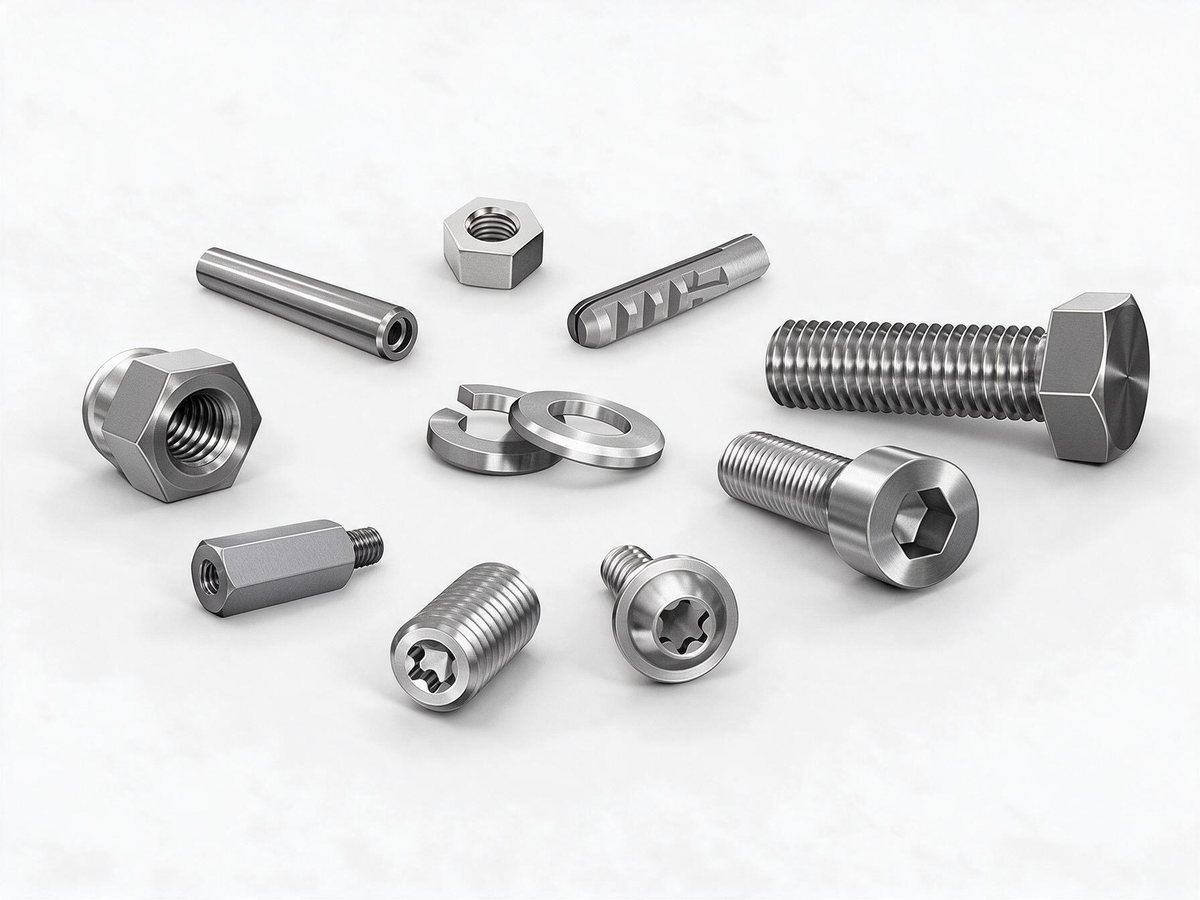
A standard fastener conforms to a published specification — ISO 4017, DIN 933, DIN 912, ANSI B18.2.1, GB/T 5782 — and is therefore available from multiple manufacturers with the same dimensions, thread, property class and marking. Because the tooling already exists and demand is broad, unit prices are low and lead times are short. An M10 x 40 hex bolt in grade 8.8 with zinc plating is a commodity.
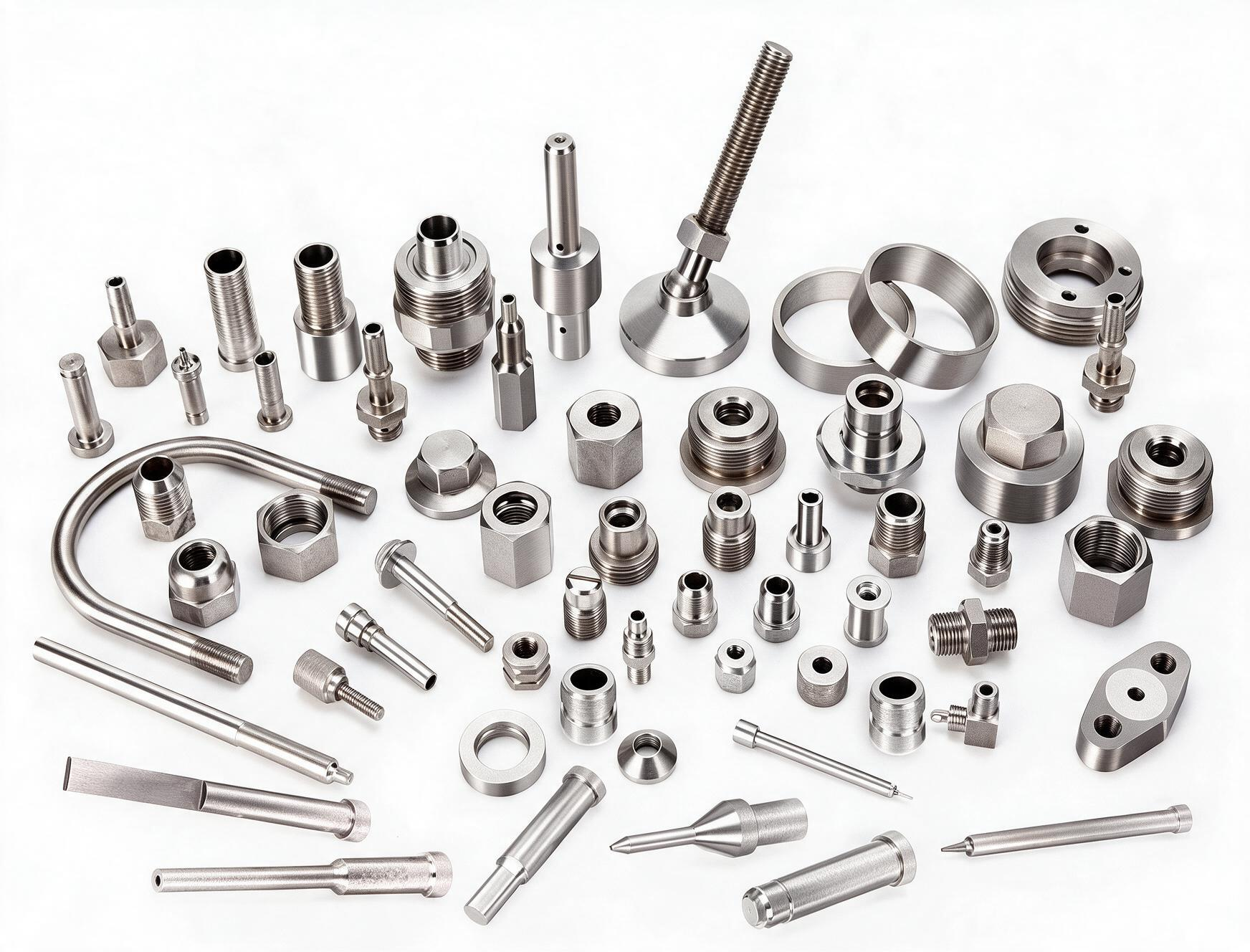
A non-standard fastener deviates from a published specification in geometry, material, tolerance, or combination of features. It is not "not to a standard" — it is not to a catalogue standard, and the drawing becomes the specification. Three sub-groups behave differently commercially:
- Modified standard parts — a catalogue family with one changed feature: a reduced head, a longer or shorter thread length, a drilled head for safety wire. Tooling is usually a modification of existing dies, so the barrier to entry is low.
- Special-shaped parts (cold-formed specials) — bespoke geometry produced by cold heading with dedicated dies. Common in automotive and appliance assemblies.guide to reading bolt strength grade markings explains what grades 8.8, 10.9 and 12.9 require a drawing to state.
Where the cost of a non-standard part actually comes from
Five cost elements sit behind a custom fastener's price, and they scale very differently with volume.
Tooling. Cold-heading, forging and casting dies are one-time costs — modest on a modified standard part, potentially thousands of US dollars on a multi-station special. Tooling is amortised across the order, so at low volumes it raises unit price rather than lowering it.
Minimum order quantity. MOQ is driven by setup time and material minimums, not by policy. A heading machine may need hours of setup that cannot be amortised across a few thousand pieces, and mills sell steel in minimum heats. A realistic MOQ for a cold-formed special runs in the tens of thousands of pieces; a CNC-turned part can be economic in the hundreds.
Lead time. Tooling fabrication is the long pole. First-article lead time on a new die is commonly measured in weeks and sits before production begins. Repeat orders are far faster once the tooling exists.
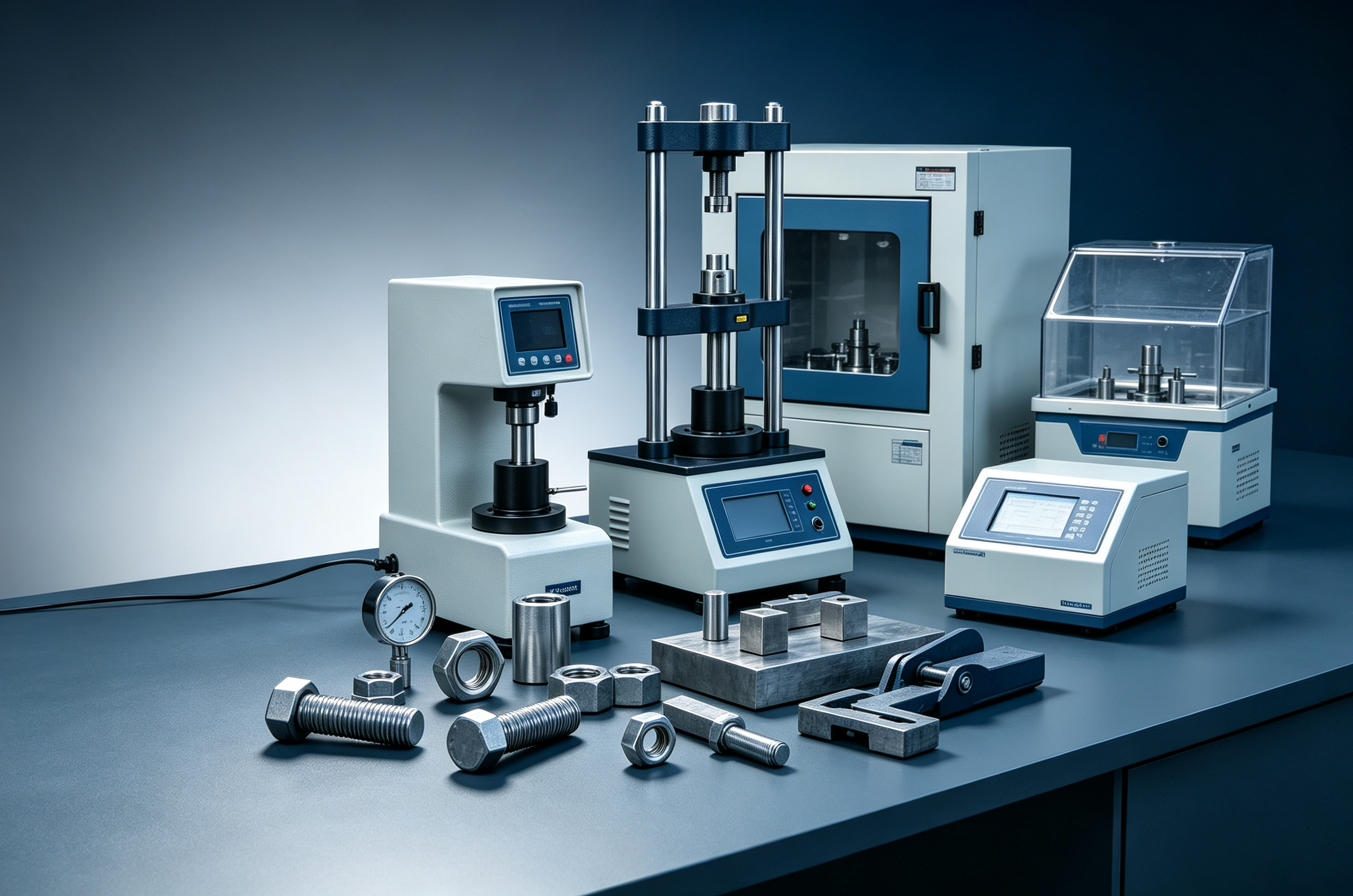
Qualification burden. First-article inspection, dimensional reports, material certificates and an ongoing sampling plan are engineering time on both sides — a real cost even when it is not invoiced.
Single-sourcing risk. Once a die exists for your part, changing supplier means paying for tooling again. That lock-in should be weighed against the savings that justified the custom part.
Four situations where a custom part pays for itself
1. It removes assembly operations. This is the strongest business case and the most frequently missed. If a custom shoulder eliminates a washer, or a captive flange removes a spacer, or one special part replaces a bolt plus a bracket, the saving is on assembly labour, inventory lines and picking errors — not on the fastener price. On a high-volume line, a few cents of unit-cost increase is easily repaid by removing one manual step.
2. The catalogue geometry genuinely cannot do the job. Very short or very long lengths relative to diameter, non-preferred thread pitches, low head heights for clearance, deep or shallow sockets, knurled press-fit shanks, or a head shape that must match the customer's tooling. When the mating hole has already been moved as far as the design allows and the standard part still does not fit, a special is the answer.
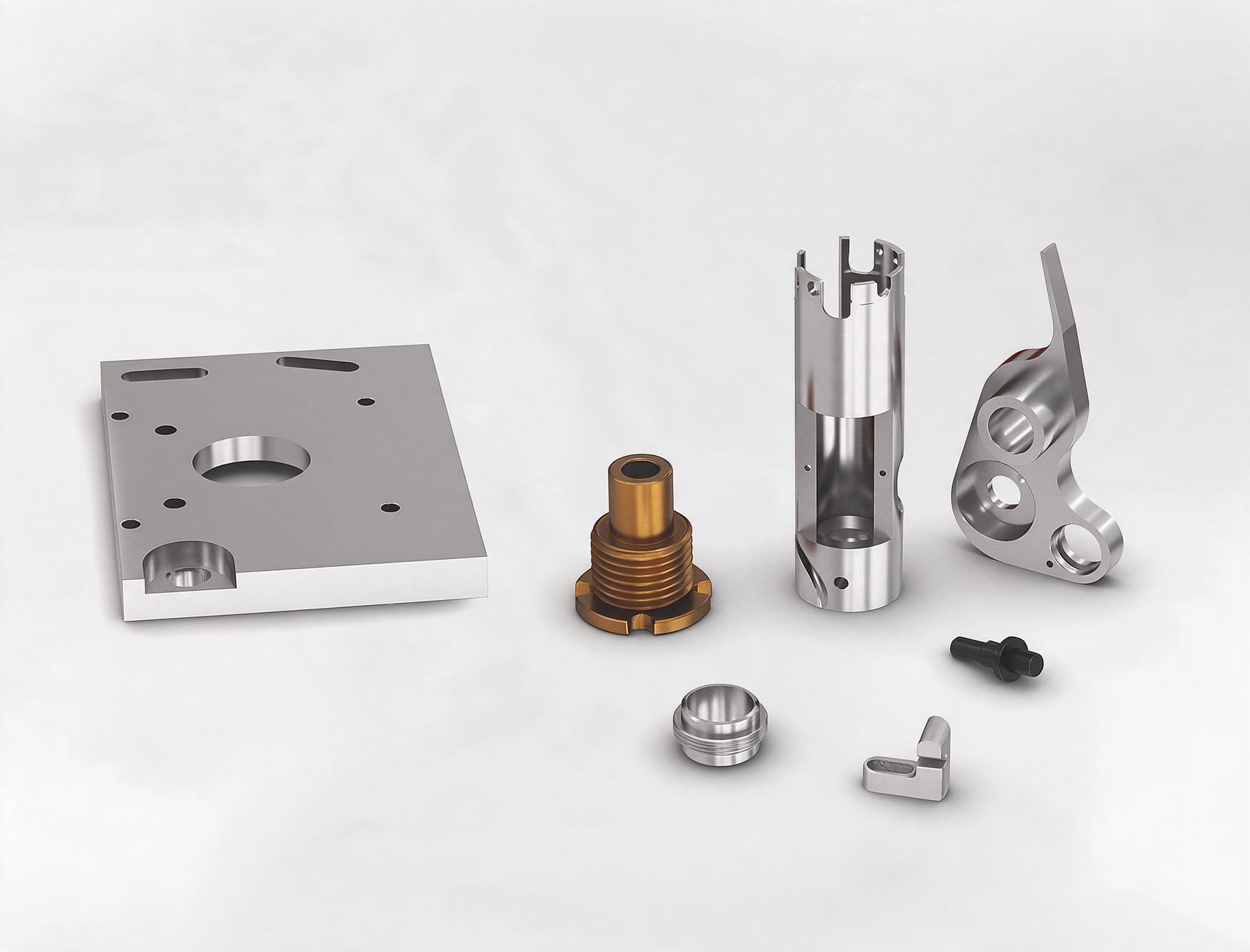
3. The material or property requirement is outside the catalogue range. A specific stainless grade for a chemical environment, a defined hardness range, a non-magnetic austenitic grade, a heat-treatment condition, or a coating that standard stock does not carry. Some of these can be met on a standard part — our comparison of zinc, hot-dip and Dacromet coatings covers when re-plating stock beats making a special.
4. Weight, or a customer-specific marking, matters. Reducing a head or shank diameter saves material across a large annual volume, and in handheld or weight-sensitive products it saves weight too. Branded head markings, batch codes or customer-specific marking patterns generally require dedicated tooling.
When a standard fastener is still the right answer
The reflex to design a special part is often premature. A standard fastener remains the better choice when the design can be adjusted to accept it — moving a hole, allowing a slightly taller head, or accepting a preferred thread pitch costs nothing, while a new die costs real money and weeks of lead time. It is also the right answer for low volumes, one-off builds, maintenance and repair, and any usage that cannot justify tooling.
There is a middle ground worth checking first: a standard fastener plus a secondary operation. Drilling a head for safety wire, machining a flat, adding a pre-applied thread-locking patch, or assembling a captive washer onto a stock screw is frequently cheaper and faster than a new die. The same logic applies to driven fasteners — for light-gauge steel framing, a catalogue self-tapping screw for light-gauge steel with the right point geometry usually beats a bespoke part.
Specifying a non-standard part: what belongs on the drawing
When you do go custom, the quality of the drawing determines the quality of the quotation. A complete specification covers the material grade and its governing standard; mechanical property requirements and the standard the part will be tested against; all dimensions with tolerances plus the datum scheme, so the supplier is not guessing which features are critical; the thread specification including pitch, class of fit and whether the thread is rolled or cut; surface finish and coating, with the relevant standard named; inspection and documentation requirements; and the estimated annual volume and call-off pattern, because volume changes which process the supplier should quote.
Supplying these up front avoids the most common failure mode in custom fastener sourcing: a supplier quotes to an under-specified drawing, produces to the interpretation they consider most likely, and the parts fail first article for a reason that was never written down.
Conclusion
The choice between a standard and a non-standard fastener is a cost-structure question, not a design-purity question. Standard parts win on price, availability and sourcing flexibility. Custom parts win when they eliminate an assembly operation, when catalogue geometry genuinely cannot fit, when the material or property requirement falls outside the standard range, or when annual volume is high enough to amortise tooling. The reliable way to decide is to cost the total assembly rather than the part: a special that removes a manual step often justifies itself long before its unit price does, and a standard part that requires the designer to move one hole usually beats a new die.
NXHD Manufacturing (contact@nxhdmfg.com) is a precision fastener and custom metal parts manufacturer with dual production bases in Handan and Datong, China. We supply standard and non-standard fasteners to OEM customers across Europe, the Americas and Asia.
Key takeaways
- A non-standard fastener deviates from a published catalogue standard in geometry, material, tolerance or feature combination — the drawing, not a standard, becomes the specification.
- Tooling, MOQ, lead time and qualification documentation are the real cost drivers on a custom part; tooling raises unit cost at low volume rather than lowering it.
- The strongest case for a custom part is assembly-cost elimination: replacing a bolt plus washer plus spacer with one part usually beats any unit-price saving on a standard fastener.
- Before committing to a new die, check whether a standard part with a secondary operation — pre-applied patch, captive washer, drilled head — can meet the requirement faster and cheaper.
- A complete drawing (material, properties, tolerances, thread, coating, inspection, annual volume) makes custom quotations comparable and prevents first-article failures.
Frequently asked questions
What is the difference between a standard and a non-standard fastener?
A standard fastener conforms to a published specification such as ISO 4017, DIN 933 or ANSI B18.2.1, so it is interchangeable between manufacturers and available from stock. A non-standard fastener deviates from that specification in geometry, material, tolerance or feature combination, and must be produced to a customer drawing. NXHD Manufacturing supplies both categories.
Do non-standard fasteners cost more than standard ones?
At low volumes, yes — tooling cost is spread over few pieces, so unit price is typically higher. At higher volumes the tooling is amortised and the unit price gap narrows considerably, particularly for cold-formed parts. The meaningful comparison is total assembly cost rather than piece price, because a custom part can remove an assembly step or a second component.
What is a typical MOQ for a custom fastener?
MOQ is set by setup time and material minimums rather than by policy. Cold-formed special-shaped parts commonly require tens of thousands of pieces to be economic, while CNC-turned parts can be produced economically in the hundreds. The MOQ drops sharply on repeat orders, once the tooling already exists.
How long does a custom fastener take to produce?
First-article lead time is dominated by tooling fabrication, which is commonly measured in weeks and sits before production begins. Repeat orders afterwards are substantially faster because the dies already exist. For critical-path projects it is worth splitting the order so that tooling is approved early.
Can I use a standard fastener with a special coating instead of ordering a custom part?
In many cases, yes. Most coatings — electro-zinc, hot-dip galvanizing and zinc-flake coatings such as Dacromet — can be applied to standard stock fasteners, and re-plating a catalogue part is usually cheaper and faster than making a special. A custom part is only required when the coating must be combined with geometry the catalogue does not offer.
Does NXHD produce non-standard and special-shaped fasteners?
Yes. NXHD Manufacturing produces standard fasteners, non-standard parts and special-shaped fasteners from its dual production bases in Handan and Datong, China, covering cold-formed specials and CNC-machined components. Send your drawing and estimated annual volume to contact@nxhdmfg.com for a quotation.
Standards referenced in this article: ISO 4017, DIN 933, DIN 912, ANSI B18.2.1, GB/T 5782, ISO 898-1.