 contact@nxhdmfg.com
 +86 352 5330772
 +86 180 3528 0246

A joint that comes loose in service is rarely a mystery after the fact. Vibration, thermal cycling and settling of the clamped layers gradually reduce preload, and once the bolt stops acting like a spring the nut starts to back off. The standard remedy is a prevailing-torque lock nut, but the two main families behave very differently in service. This article explains what prevailing torque actually means, where nylon insert nuts stop working, what all-metal designs do better, and how to specify the right one on a drawing without over-engineering the joint.
What prevailing torque means
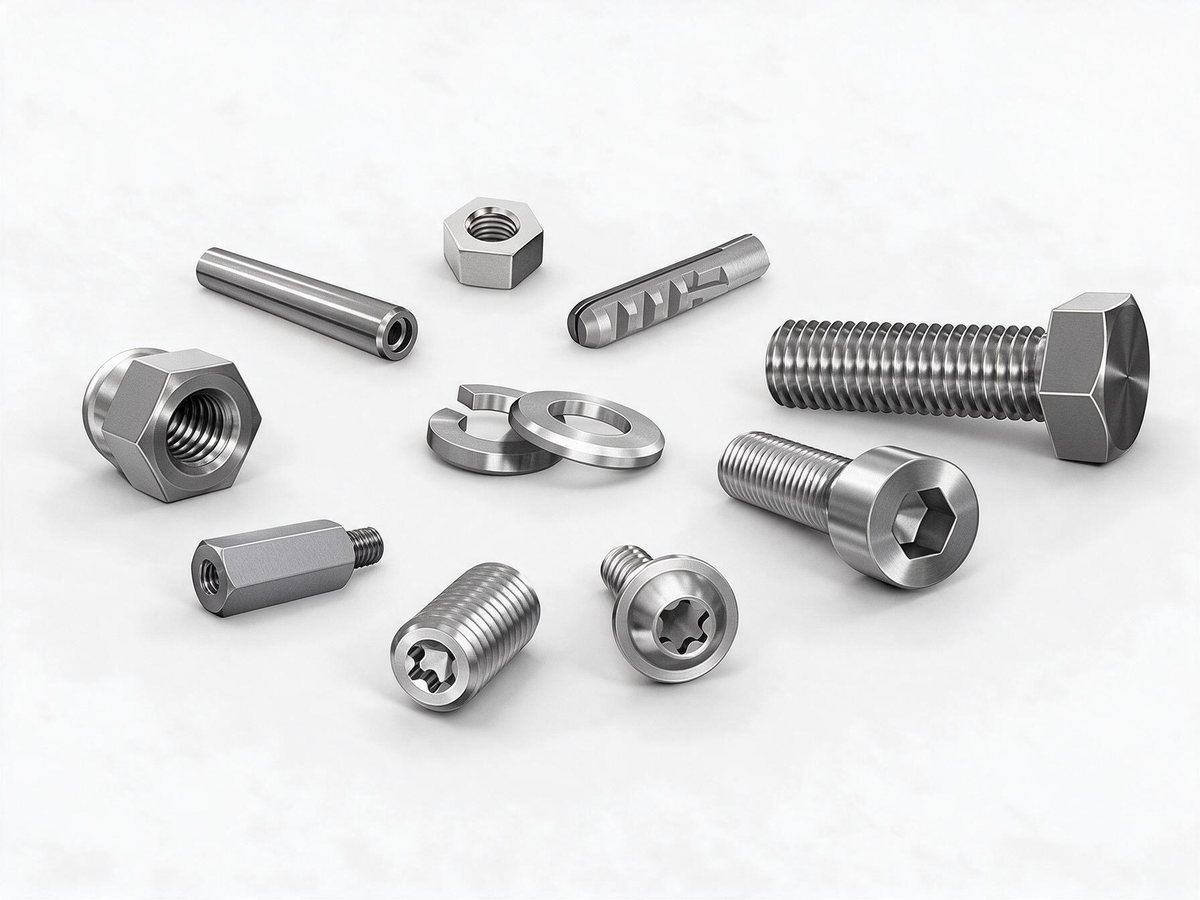
A plain hex nut is free-spinning. It only resists rotation once it is tightened, and its resistance comes entirely from friction between the loaded threads and the bearing surface. That friction disappears when the joint relaxes, which is why a plain nut on a vibrating assembly will eventually walk off the bolt.
A prevailing-torque nut adds a deliberate, built-in interference that grips the bolt thread even when there is no load on the joint. You feel it as resistance while running the nut down by hand, before it ever touches the clamped material. That resistant torque is the whole point: the nut cannot rotate freely, so small cyclical movements cannot accumulate into a loose fastener.
Two things follow from this. First, prevailing torque is a property of the nut and bolt pair, not of the nut alone, so the bolt thread tolerance matters. Second, that interference is consumed a little with every turn, which is why reuse limits exist. Standards bodies define the test method rather than a single design, so a lock nut from any source should be evaluated the same way: measure the torque required to run the nut down a test mandrel over the first few threads, and check it again after a defined number of removal and reinstallation cycles.
Nylon insert lock nuts: how they work and where they stopfastener surface coatings.
All-metal lock nuts: the high-temperature and heavy-duty option
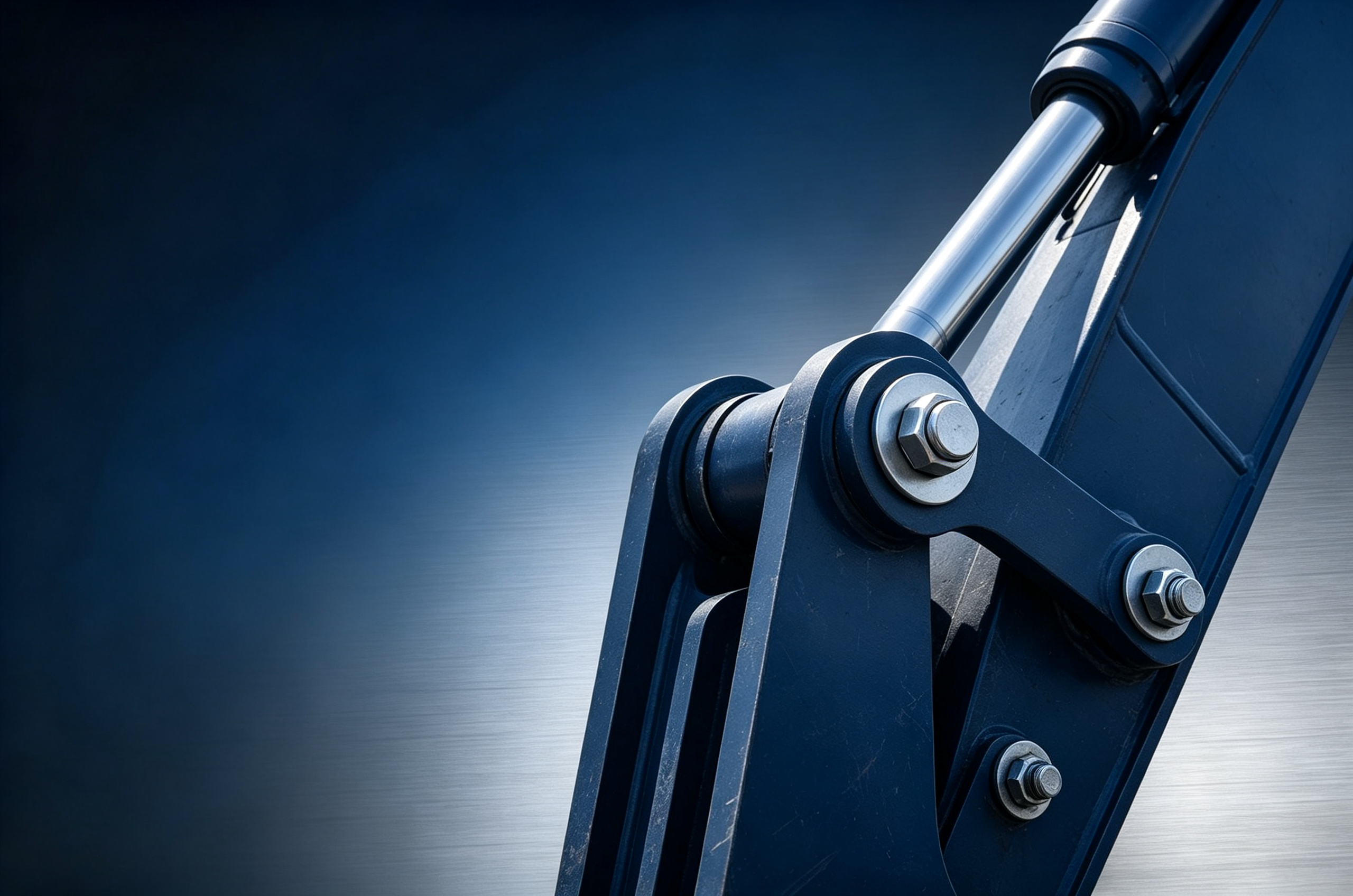
All-metal prevailing-torque nuts achieve the same effect without any polymer. The common constructions are a distorted or elliptical upper thread section, a slotted beam section that is crimped inward, or a serrated face that bites into the bearing surface. Any of these will hold their locking action at temperatures that would destroy a nylon ring, which is why all-metal types dominate in engines, gearboxes, exhaust systems, pressure equipment and anything that sees repeated heat cycles.
The trade-offs are cost, bolt damage and consistency. Distorted-thread nuts are harder to run down, which makes assembly slower and increases the risk of cross-threading if a worker forces them. Because the interference works by deforming metal against metal, the bolt thread can be scored on installation, and both parts should be treated as consumable on a critical joint. Some designs can also be less tolerant of a wide tolerance band on the mating bolt, so consistency of the bolt thread matters more than it does with a nylon insert.
There is a useful compromise in the middle of the range. Serrated flange nuts combine a plain thread with a toothed bearing face, giving strong resistance to loosening with no thread interference at all, though they need a hard mating surface and mark painted finishes. Jam nuts, castle nuts with a split pin, and wire-locking are the traditional answers where inspection needs to confirm the fastener has not moved, and they are still specified in safety-critical assemblies even though they cost far more in labour.
How to specify a lock nut on a drawing
The most common sourcing mistake is writing "lock nut" on a bill of materials and leaving the rest to interpretation. That single word covers dozens of designs with different temperature limits, reuse behaviour and costs.
A workable specification states four things. State the service temperature range, because that alone eliminates or mandates the nylon insert. State whether the joint will be disassembled in service, which determines whether a reusable all-metal type is worth the premium. State the mating bolt's strength class and thread tolerance, since prevailing torque is measured against it and the two are normally specified together. State the finish, so the nut and bolt coatings are compatible.
Beyond that, specify by function rather than by catalogue number where possible. If the requirement is simply that the joint must survive a defined vibration test, say so, and let the supplier propose the cheapest design that passes it. Standard parts should be the default; non-standard parts and special-shaped parts earn their place only when a genuine constraint exists, such as a torque specification that no stock design meets, a geometry that standard tooling cannot reach, or an assembly sequence that makes a captured or welded nut necessary.
It is worth adding one practical note about verification. A lock nut that arrives with no prevailing torque is a functional defect, not a cosmetic one, and it is cheap to catch. Sampling a handful of nuts from each lot and checking them on a torque wrench takes minutes, and the wider receiving-inspection approach is set out in our incoming fastener inspection guide. Thread fit and pitch notation on the mating bolt are covered separately in our article on metric and inch thread standards.
Conclusion
Nylon insert nuts and all-metal lock nuts solve the same problem by different means, and the choice is usually decided by one question: does the joint get hot? If it does not, and disassembly is rare, the nylon insert is cheaper, gentler on the bolt and easier to fit. If it does, or if the joint will be taken apart repeatedly, the all-metal design is the safer specification. Either way, write the temperature range and reuse expectation on the drawing rather than leaving the supplier to guess. NXHD Manufacturing (contact@nxhdmfg.com) is a precision fastener and custom metal parts manufacturer with dual production bases in Handan and Datong, China. We supply standard and non-standard fasteners to OEM customers across Europe, the Americas and Asia.
Key takeaways
- Prevailing torque is the built-in interference that lets a lock nut resist rotation with no load on the joint, and it depends on the nut and bolt as a pair.
- Nylon insert nuts are cheap, seal the thread and do not damage the bolt, but they lose locking force as temperature rises and are effectively single-use on critical joints.
- All-metal lock nuts hold their action at high temperature and survive repeated disassembly, at the cost of higher price, slower assembly and possible bolt thread scoring.
- Serrated flange nuts, jam nuts and castellated nuts cover cases where thread interference is undesirable or where visual confirmation of a locked joint is required.
- Specify service temperature, reuse expectation, mating bolt class and finish; never leave a bill of materials at the single word "lock nut".
Frequently asked questions
What is the difference between a nylon insert lock nut and an all-metal lock nut?
A nylon insert lock nut grips the bolt with a polymer ring that the thread presses into, while an all-metal lock nut uses a distorted thread section, a crimped collar or a serrated face to create the same interference. The nylon type is cheaper and gentler on the bolt thread; the all-metal type survives high temperatures and repeated disassembly.
At what temperature does a nylon insert lock nut stop working?
Nylon insert nuts lose prevailing torque progressively as temperature rises, and they are generally not recommended for sustained service much above the boiling point of water. For joints near engines, exhausts or process equipment, specify an all-metal design instead.
Can a lock nut be reused after it has been removed?
Nylon insert nuts are normally treated as single-use on critical joints because the insert deforms with each installation and the prevailing torque drops after a few cycles. All-metal distorted-thread nuts can be reused more often, but their locking action also degrades and should be checked before reuse in a safety-relevant joint.
Which standards cover lock nuts?
Metric prevailing-torque nuts are commonly specified to the ISO 10511 and ISO 10512 series for nylon insert and all-metal types respectively, with DIN 985 and DIN 980 widely used as the equivalent legacy designations; inch sizes fall under ASME B18.16. These standards define dimensions and prevailing-torque performance rather than a single locking mechanism.
How do I choose between a lock nut and a spring washer?
A spring washer was long used to resist loosening, but testing has repeatedly shown that it adds little once a properly preloaded joint is in question, whereas a prevailing-torque nut provides measurable resistance. Use a lock nut where loosening is the concern, and use a flat washer only to protect the bearing surface or span an oversized hole.
Does NXHD supply lock nuts to drawing or as standard parts?
NXHD Manufacturing supplies both standard prevailing-torque nuts and non-standard or special-shaped parts made to customer drawings from its Handan and Datong production bases. Send the service temperature, reuse expectation, mating bolt class and required finish with your enquiry so the correct design can be quoted directly.
NXHD Manufacturing is a precision fastener and custom metal parts manufacturer with dual production bases in Handan and Datong, China. Our range covers standard fasteners, non-standard and special-shaped parts, riveting fasteners, self-tapping screws and lean casting components. If you are specifying lock nuts for a new assembly and want a second opinion on the design, send your drawing or sample to contact@nxhdmfg.com.