
Engineering articles, manufacturing-quality notes, and case studies from NXHD Manufacturing — written for procurement and design teams working on critical applications.
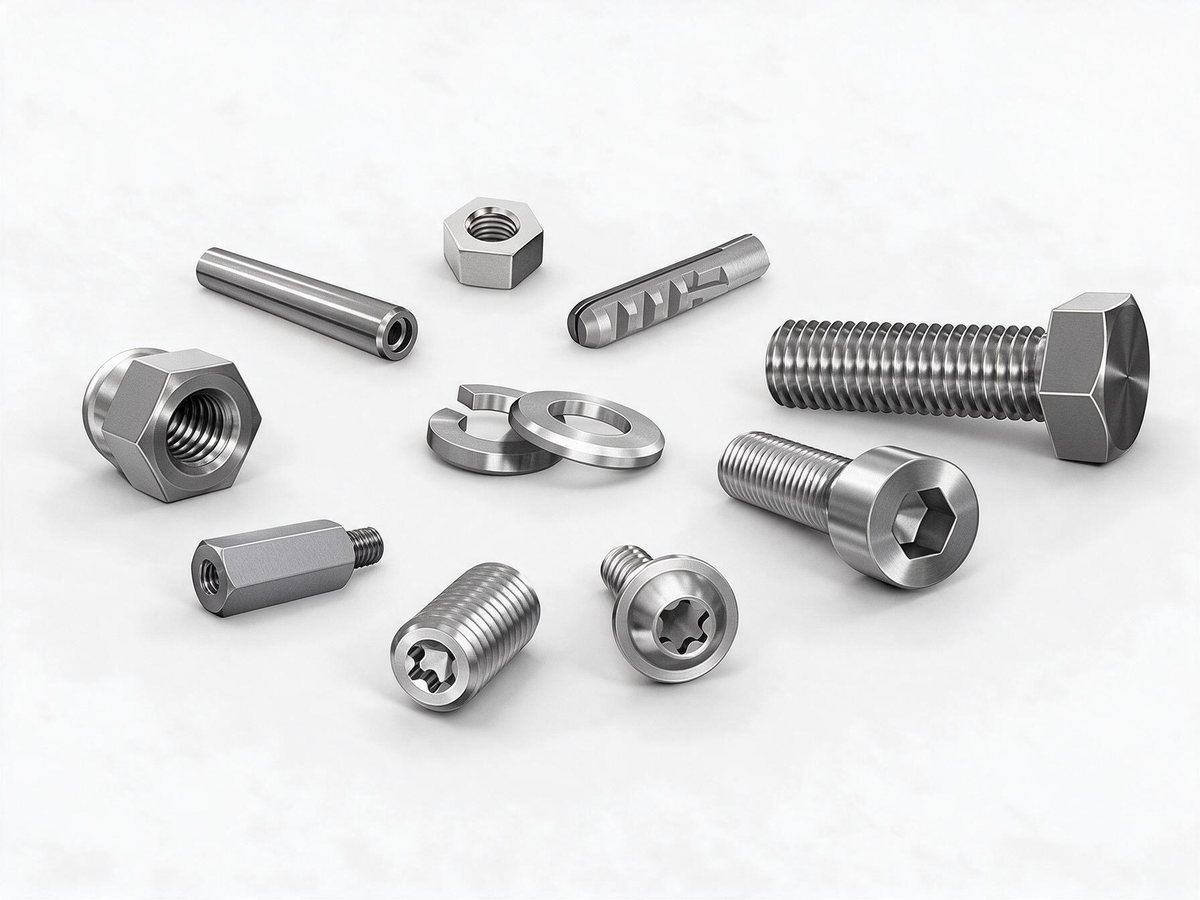
Two assemblies can carry the same M20 marking and only one of them belongs in your joint. What EN 14399 and EN 15048 each certify, and how to specify the right one.
Read article
EN 10204 defines four different inspection documents, and a purchase order that simply asks for a "material certificate" can be satisfied by any of them. Knowing which one you specified determines whether the paperwork proves anything about the fasteners actually in the box.
Read article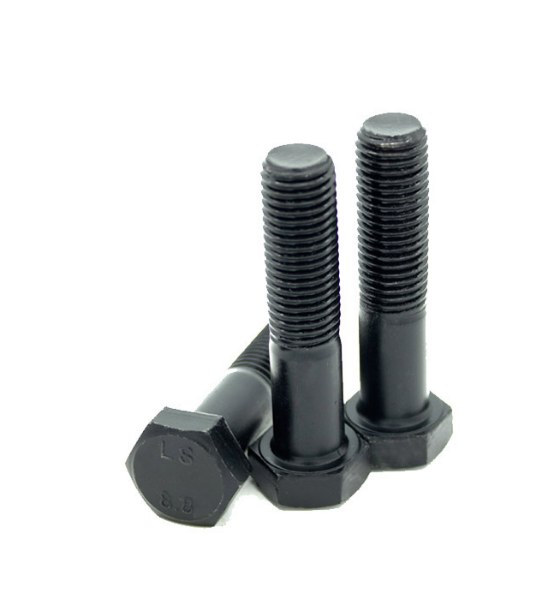
Cold heading, thread rolling, heat treatment, coating chemistry, hydrogen embrittlement, torque coefficient and batch traceability — the process decisions that determine whether a fastener is still tight and corrosion-free after ten years in service.
Read article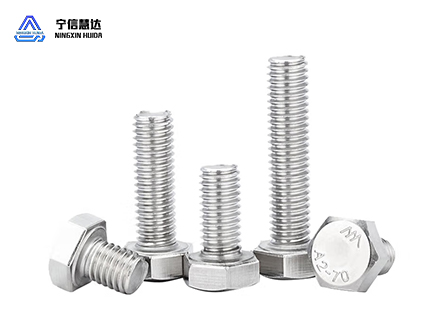
Preload is the working capacity of a bolted joint. How it is derived from the property class, how external load changes the requirement, and why static and dynamic joints are sized against different limits.
Read article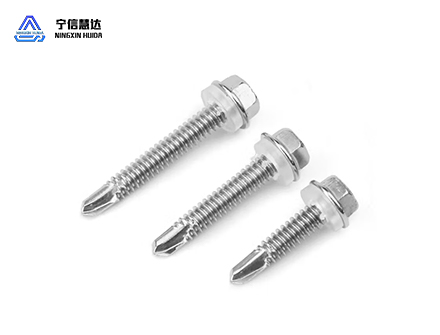
A tapping drill that is 0.2 mm too large costs 25% of the thread height, and a torque figure quoted without a K-factor assumption produces preload errors of 30% or more. Both formulas, reference tables and the drawing requirements that go with them.
Read article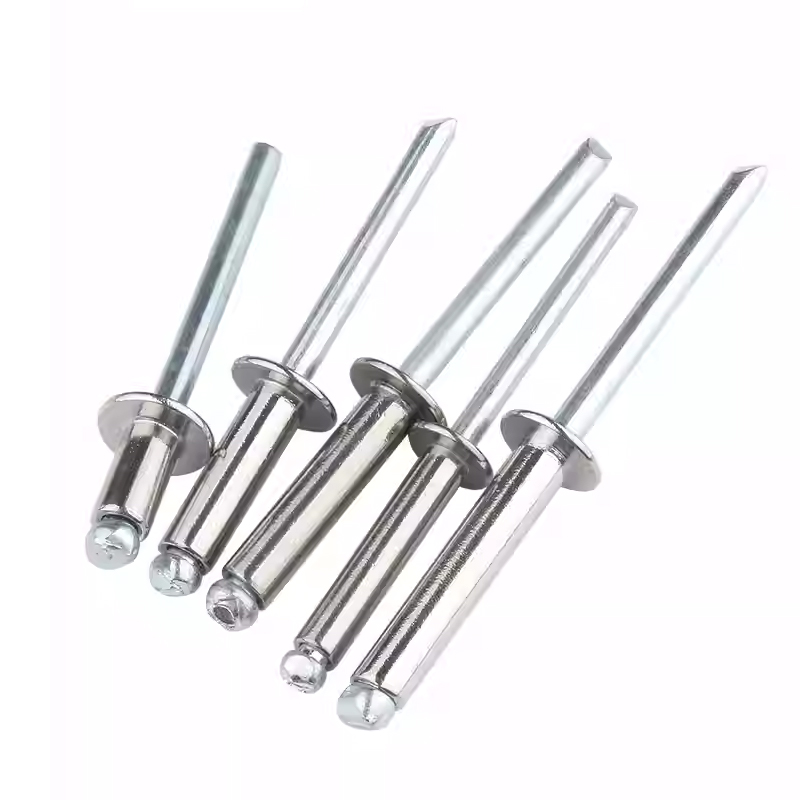
Four failure mechanisms account for most real-world fastener failures: fatigue from thread geometry, hydrogen embrittlement after plating, torque coefficient error, and galvanic corrosion — and each one is controllable at the specification stage.
Read article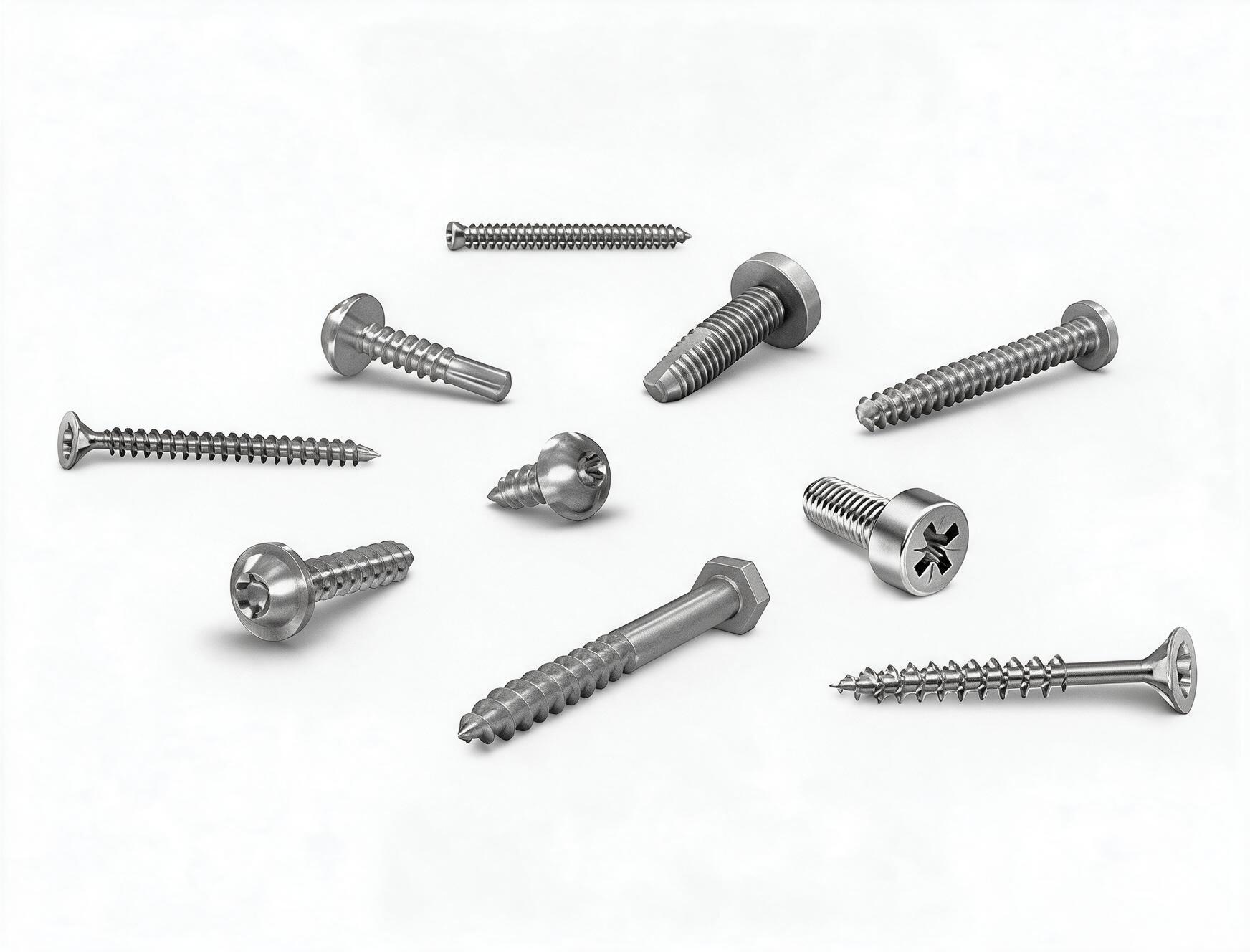
A2 and A4 are the two workhorse stainless steel fastener grades. This guide explains how they differ in corrosion resistance, strength and cost, and when each one is the right specification call.
Read article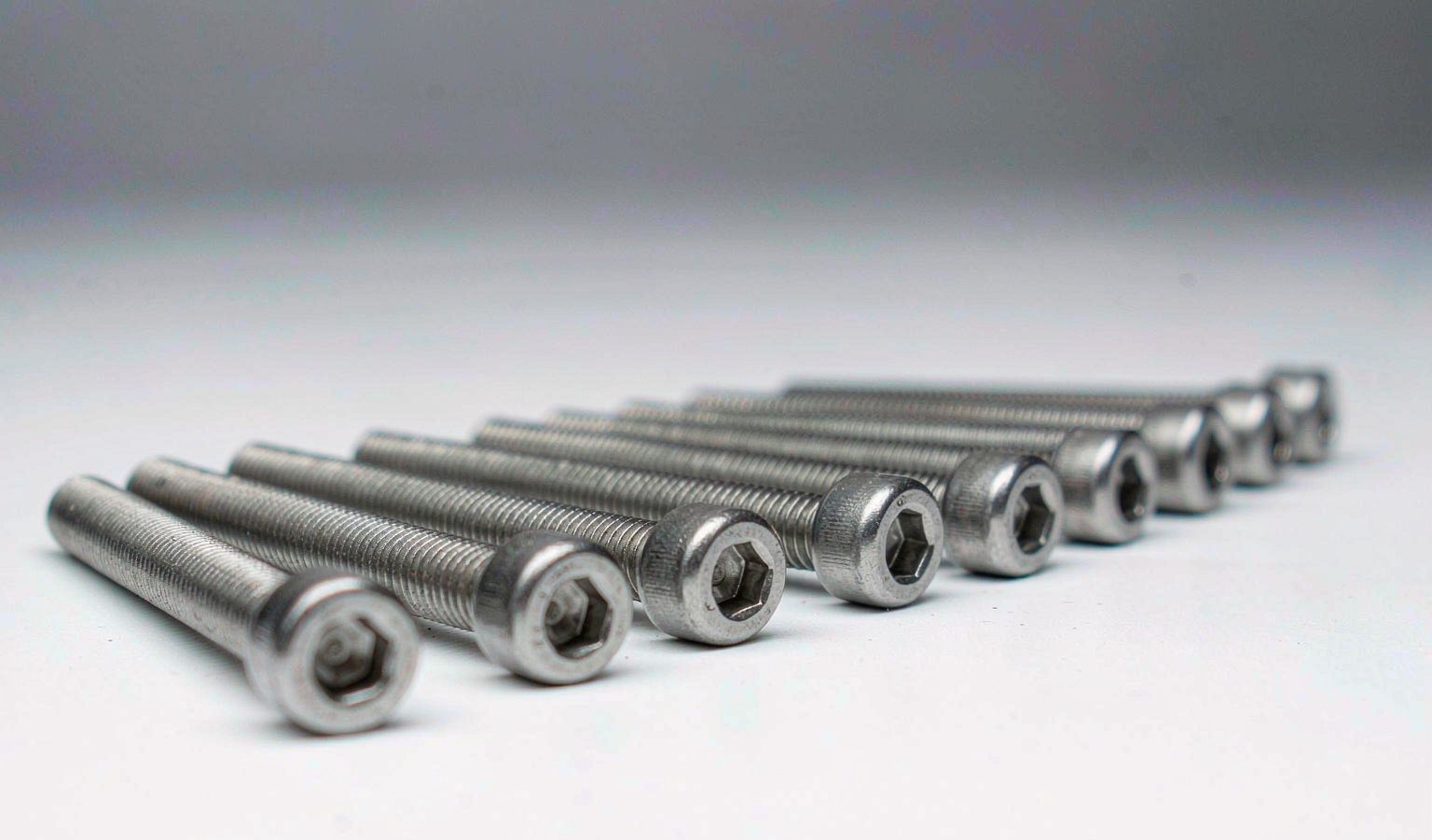
A practical comparison of socket head cap screws and hex head bolts — torque transmission, head clearance, strength grades, tooling and cost — to help engineers specify the right fastener for each joint.
Read articleWhen sheet metal is too thin to tap, engineers turn to captive nuts. This guide compares weld nuts, cage nuts and rivet nuts on strength, installation method, removability and cost.
Read articleA practical guide to choosing the right washer for a bolted joint. Learn when a flat washer, spring washer, or serrated washer is the right choice, and when a washer does more harm than good.
Read article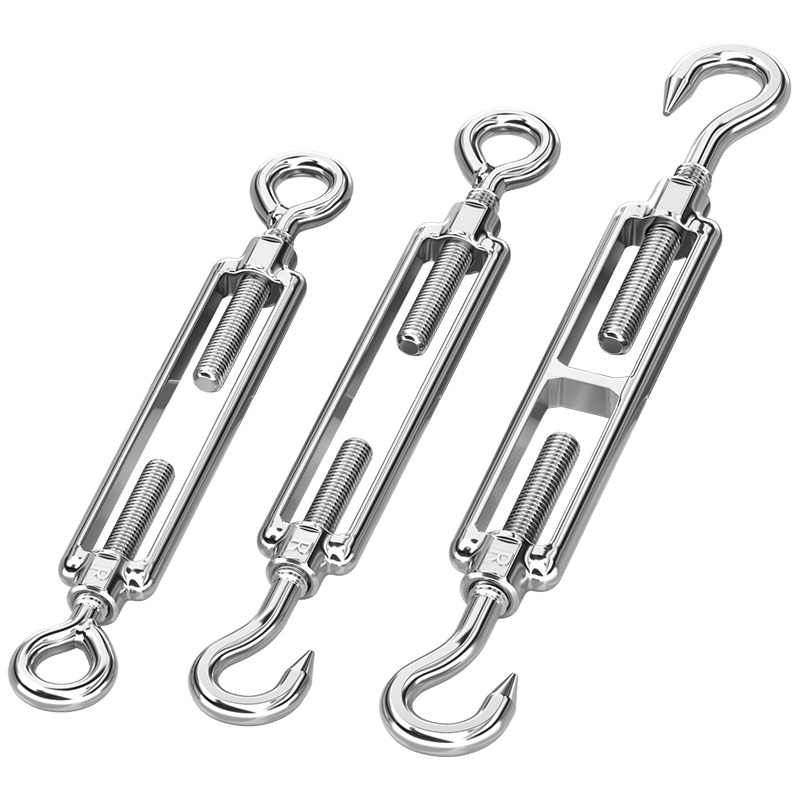
A practical buyer's guide to specifying turnbuckles and rigging hardware for tensioned assemblies, covering end fittings, load ratings, finishes, and common standards.
Read articleA prevailing-torque lock nut resists loosening by design rather than by clamping force alone. This guide compares nylon insert and all-metal types, their temperature and reuse limits, and how to specify one correctly.
Read article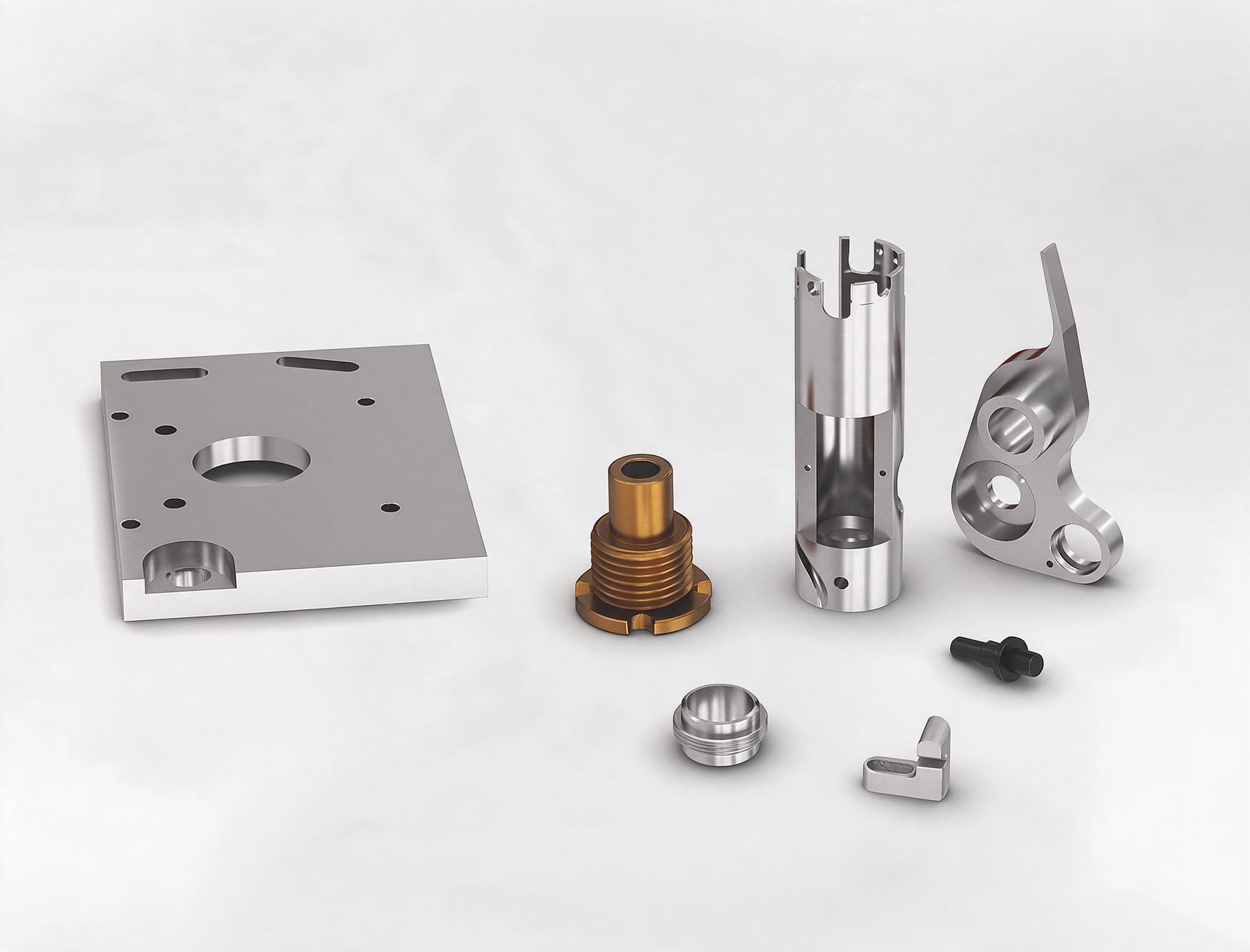
A practical breakdown of why custom machined parts carry minimum order quantities, how lead time is really built up, and what tooling charges actually pay for.
Read article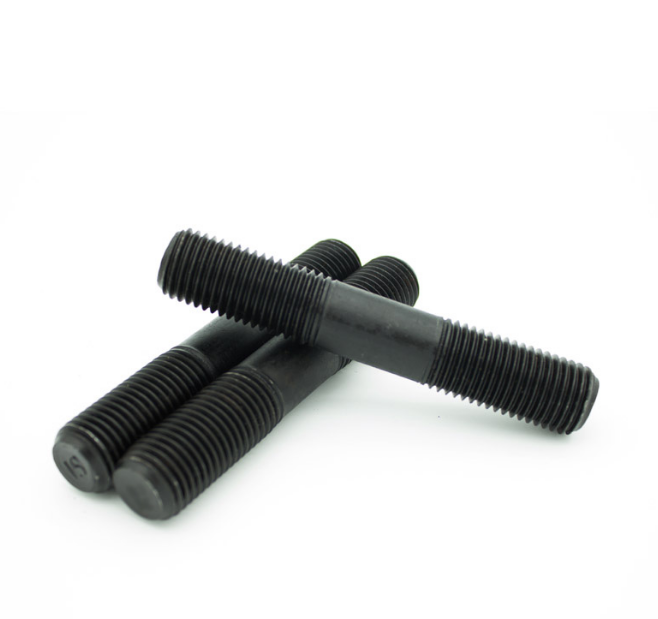
A practical guide to ISO metric and Unified inch thread callouts, the difference between coarse and fine pitch, and how buyers can specify threads so parts from different suppliers actually fit together.
Read article
Warm wishes for the 77th National Day of the People's Republic of China — plus practical notes on how the October Golden Week affects production, quotations and shipping for our overseas customers.
Read article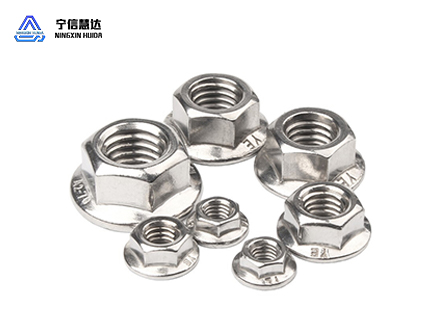
A practical comparison of hex nuts and wing nuts for procurement engineers and machine designers — load capacity, torque behaviour, standards, materials and the simple decision path for choosing between them.
Read article
A practical guide for procurement and quality teams on how to inspect incoming fastener shipments — building an AQL sampling plan, what to measure, and the defects that most often signal deeper problems.
Read article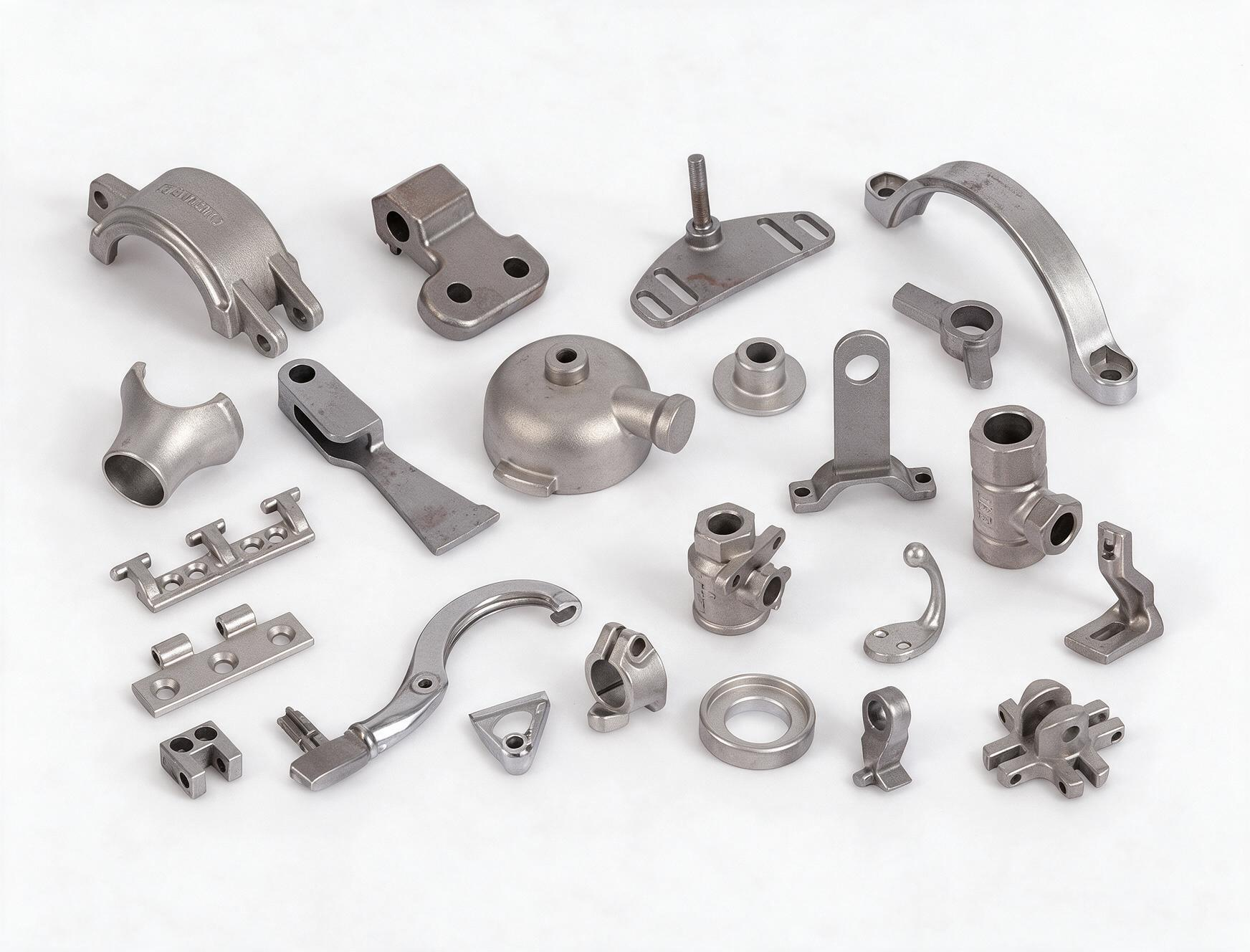
A practical comparison of lean casting and CNC machining for small OEM metal parts — tooling cost, unit cost at volume, dimensional capability, and how to split the two processes on a single part.
Read articleA practical comparison of blind rivets and self-tapping screws for sheet metal assembly — grip range, hole size, point geometry, joint strength, serviceability and installed cost per joint.
Read article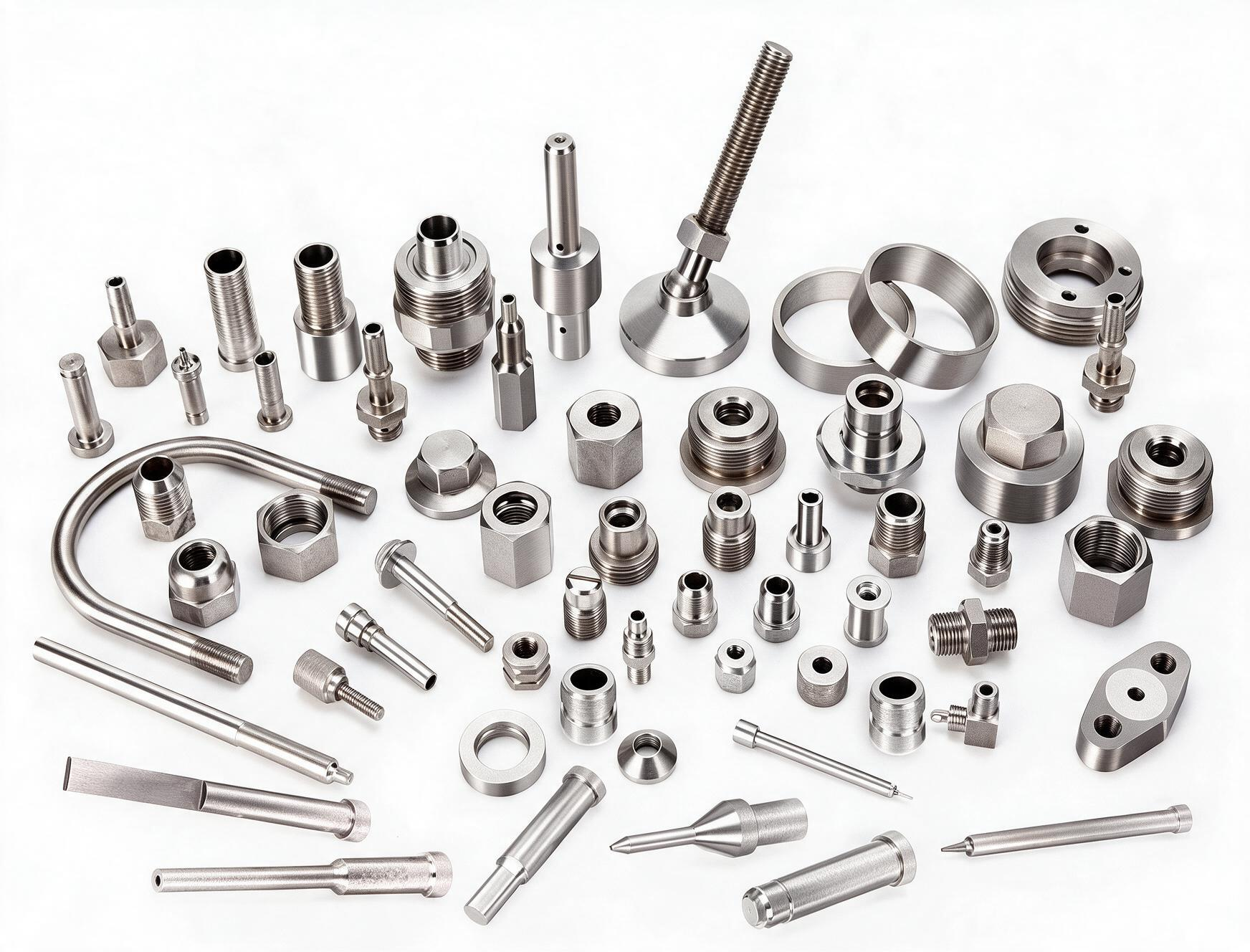
A procurement-focused guide to the line between catalogue fasteners and custom parts — what drives tooling cost, MOQ and lead time on a non-standard fastener, and the situations where a custom part genuinely pays for itself.
Read articleA practical comparison of the three most common carbon-steel fastener coatings — electro-zinc plating, hot-dip galvanizing and Dacromet — covering corrosion resistance, coating thickness, torque-tension behaviour and how to choose between them.
Read articleA practical guide to bolt strength grade markings under ISO 898-1, explaining what 8.8, 10.9 and 12.9 actually mean and how to choose the right grade for your application.
Read articleThe 19th edition of the Handan (Yongnian) Fastener & Equipment Exhibition is scheduled for September 16–19, 2026 at the Yongnian Standard Parts Expo Center, in the heart of China's longest-established standard-parts manufacturing cluster. A practical pre-show brief for OEM procurement teams.
Read article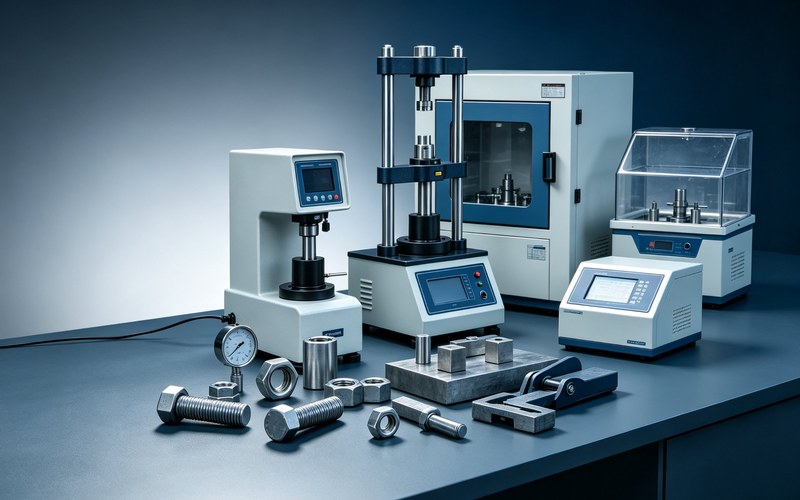
We are launching a new insights channel — covering fastener engineering, manufacturing quality, and the industries we serve (aerospace, railway, construction, machinery).
Read article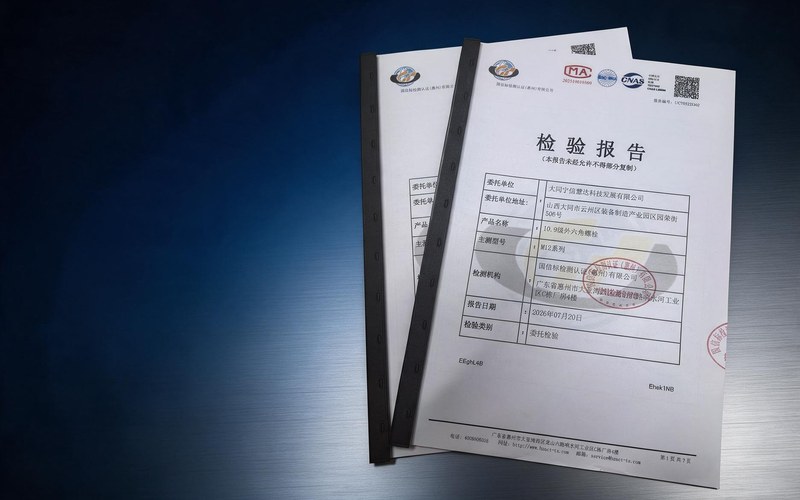
Our three ISO management systems were re-certified this quarter by an accredited body, covering the Handan and Datong plants. Open the post for the scope statement and the new certificate numbers.
Read article
Self-drilling vs. self-tapping, thread-forming vs. thread-cutting, and the tip-geometry trade-offs when fastening into 0.6–1.5 mm cold-formed steel.
Read articleSend us a drawing, a sample or a spec sheet — typical response time is under 24 hours, with full material traceability on every shipment.
 contact@nxhdmfg.com
 +86 352 5330772
 +86 180 3528 0246
